- Type
- Residential
- Location
- Brentwood, California
- Year
- 2023
- Client
- Private
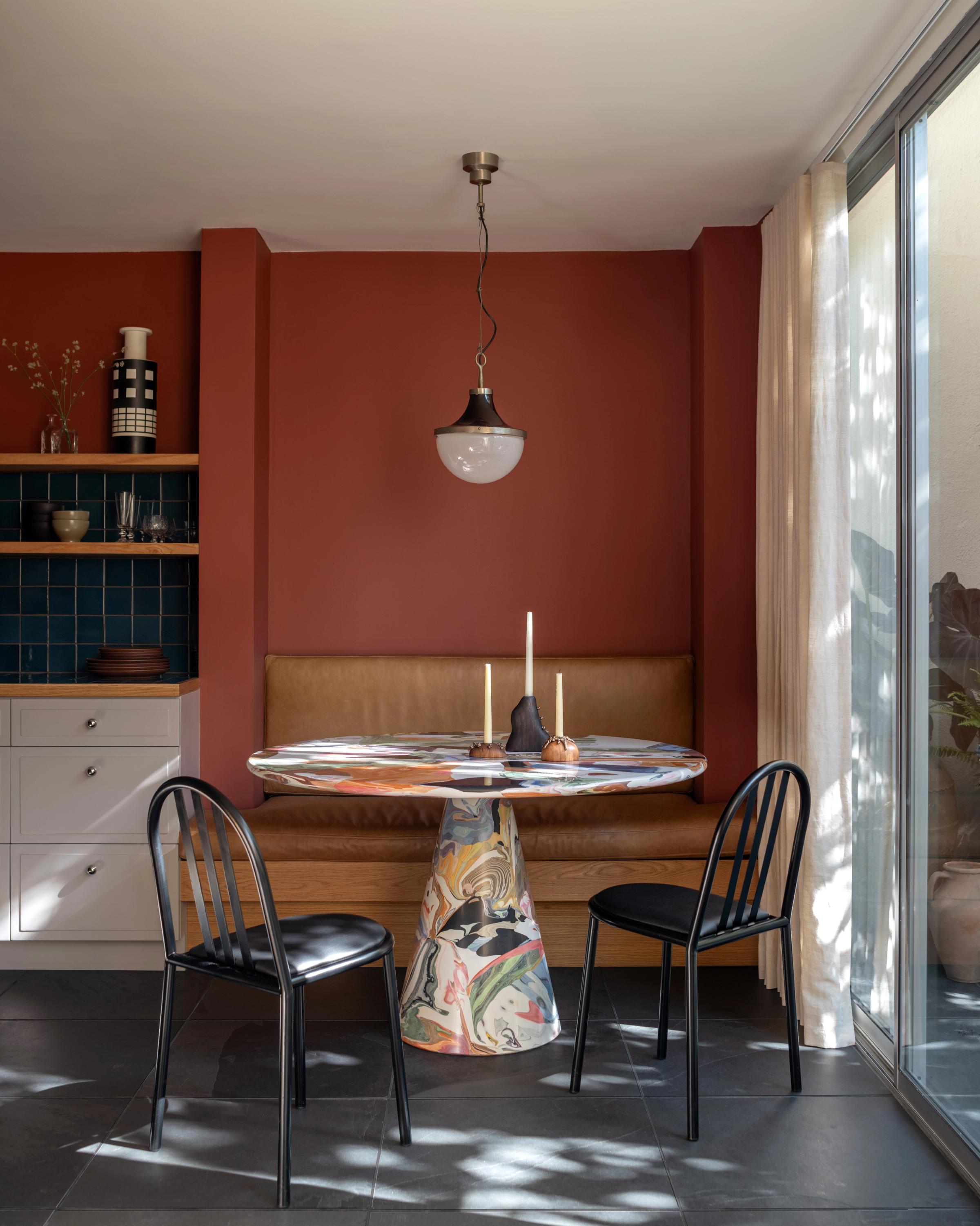
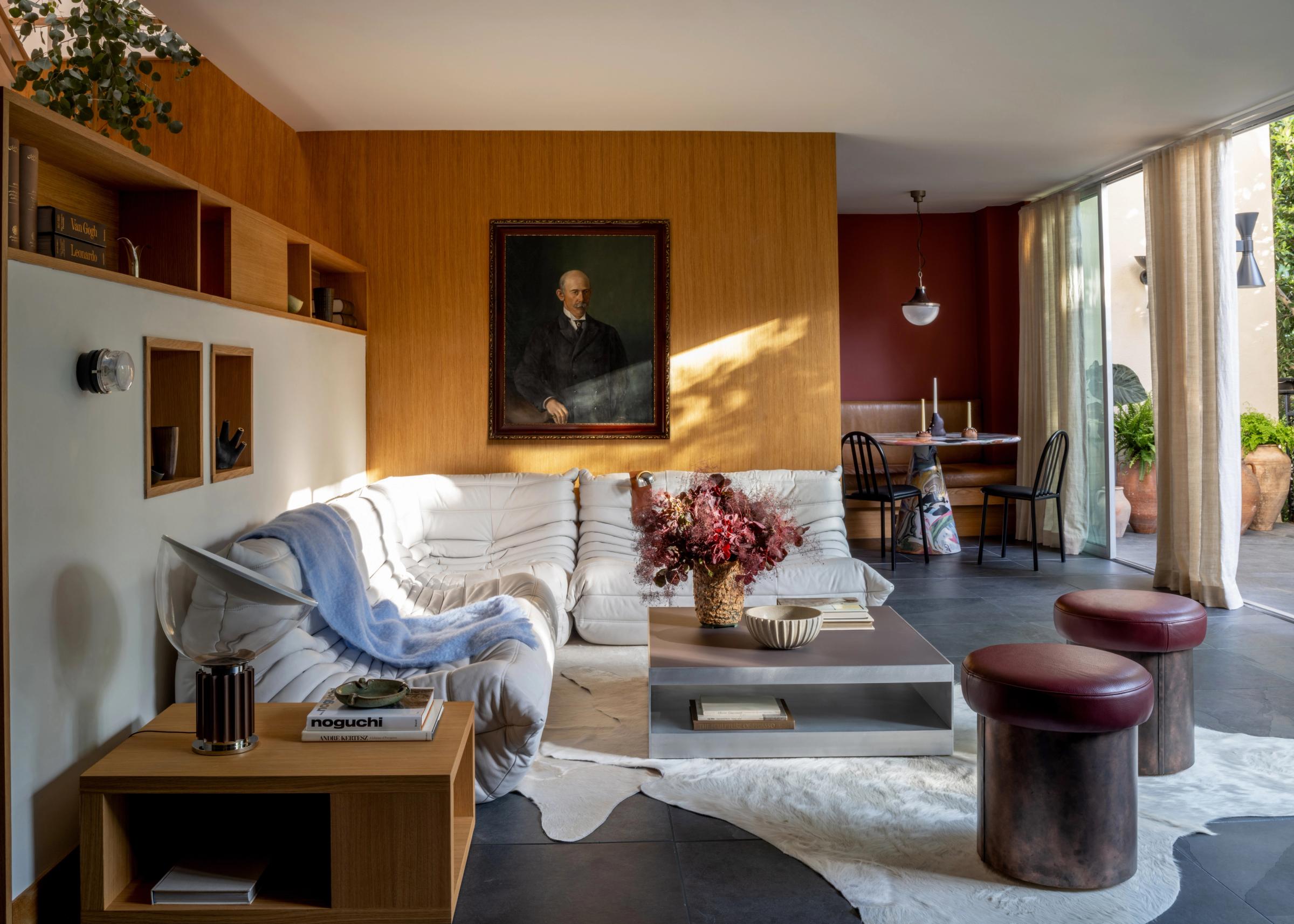
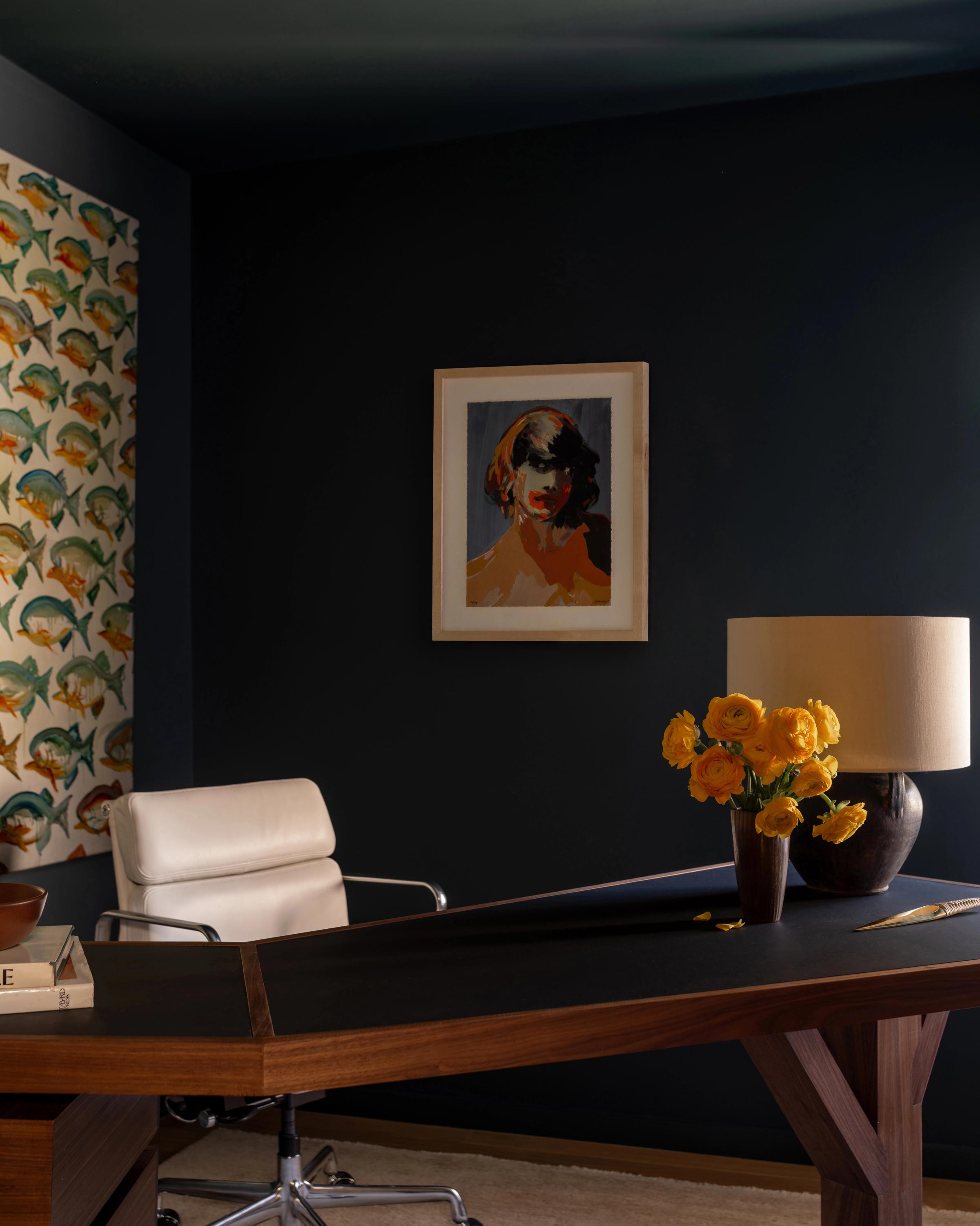
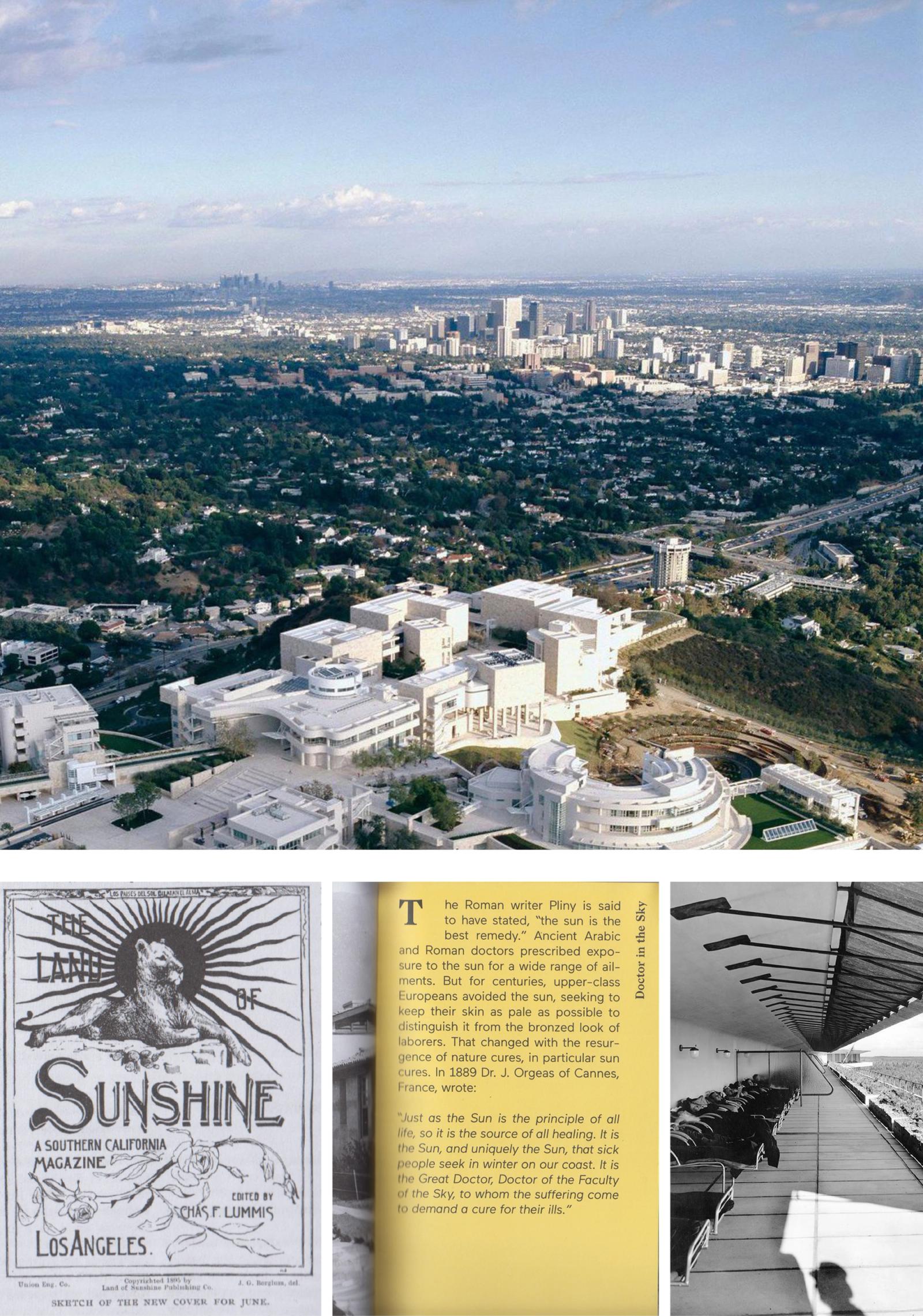
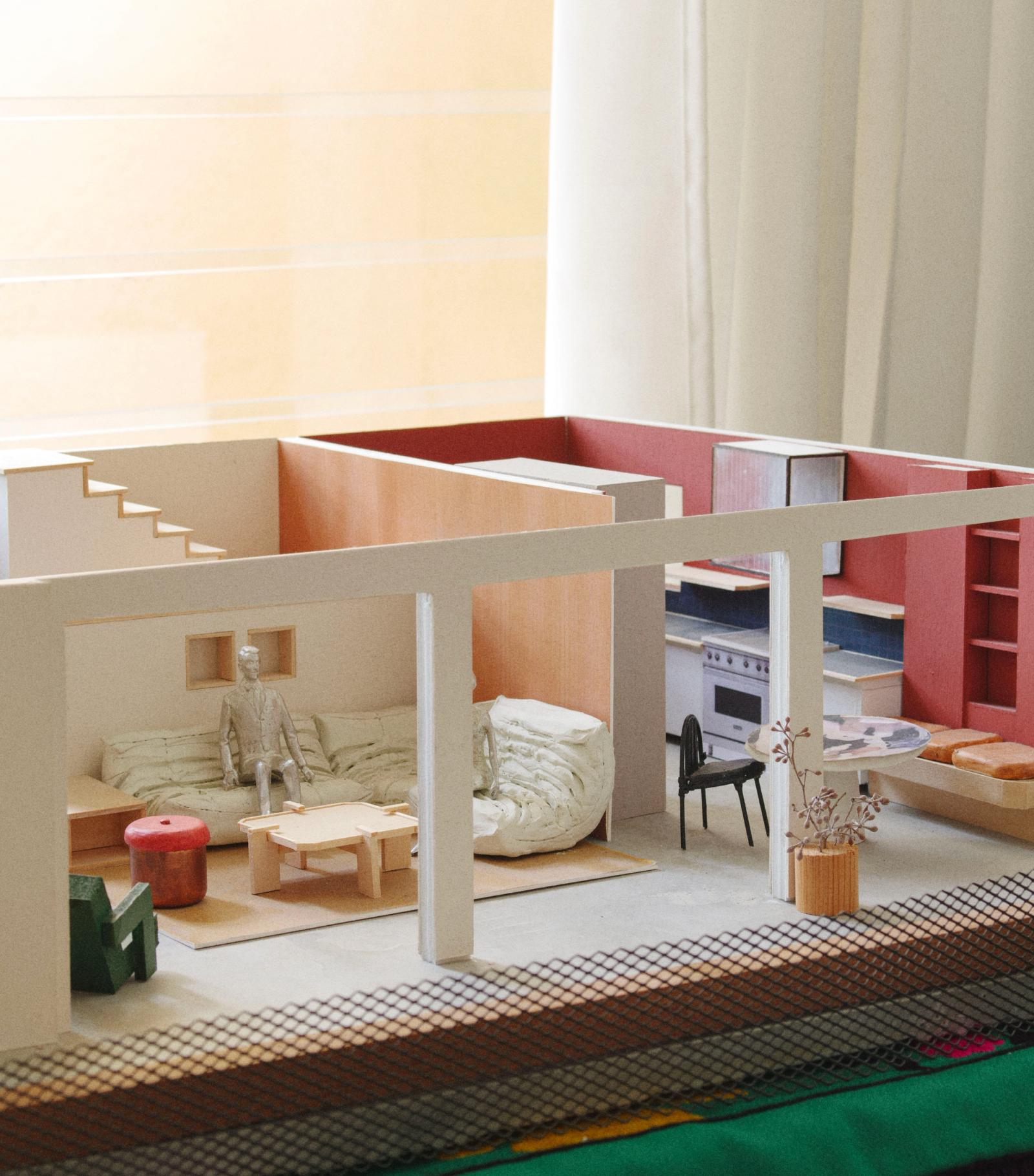
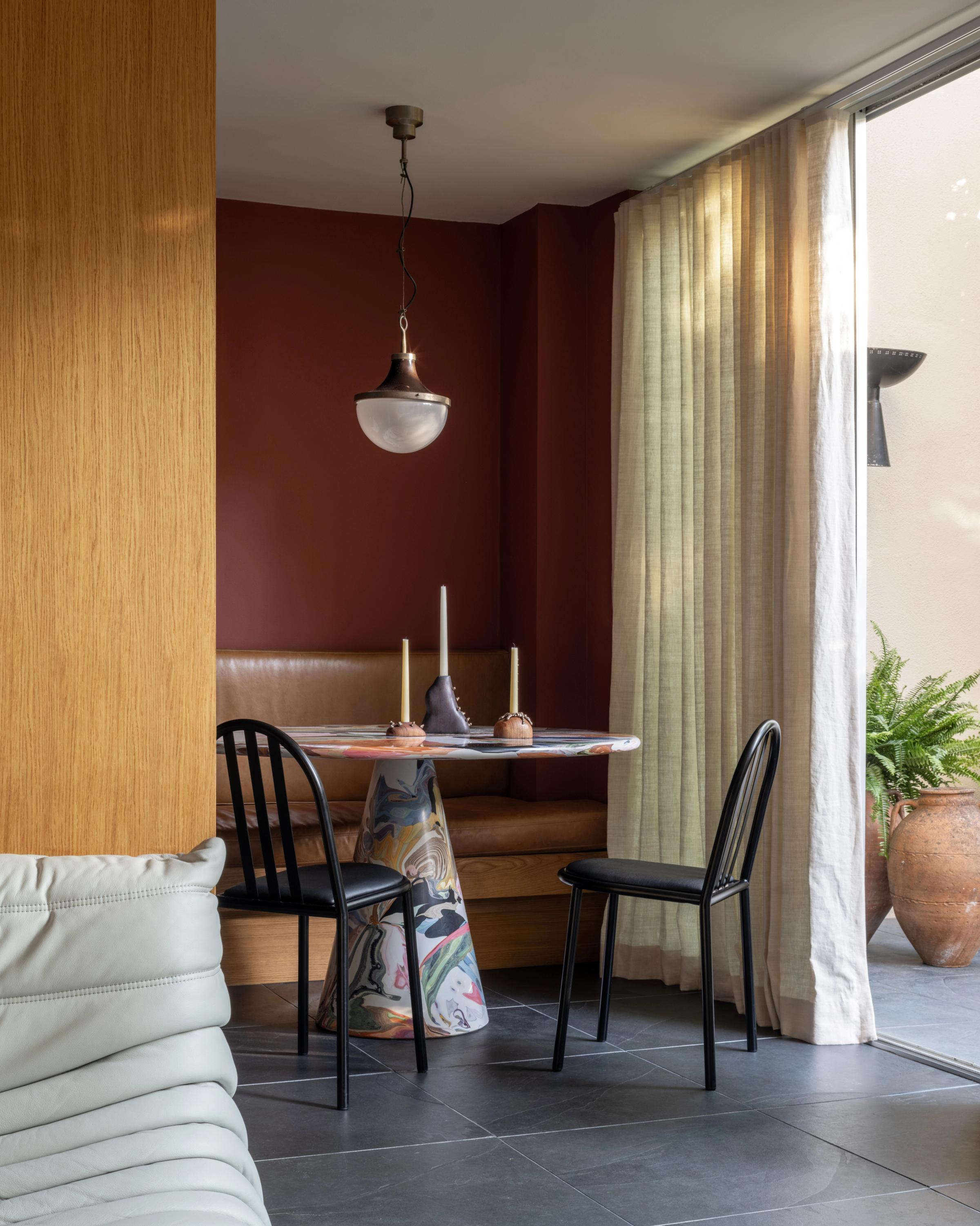
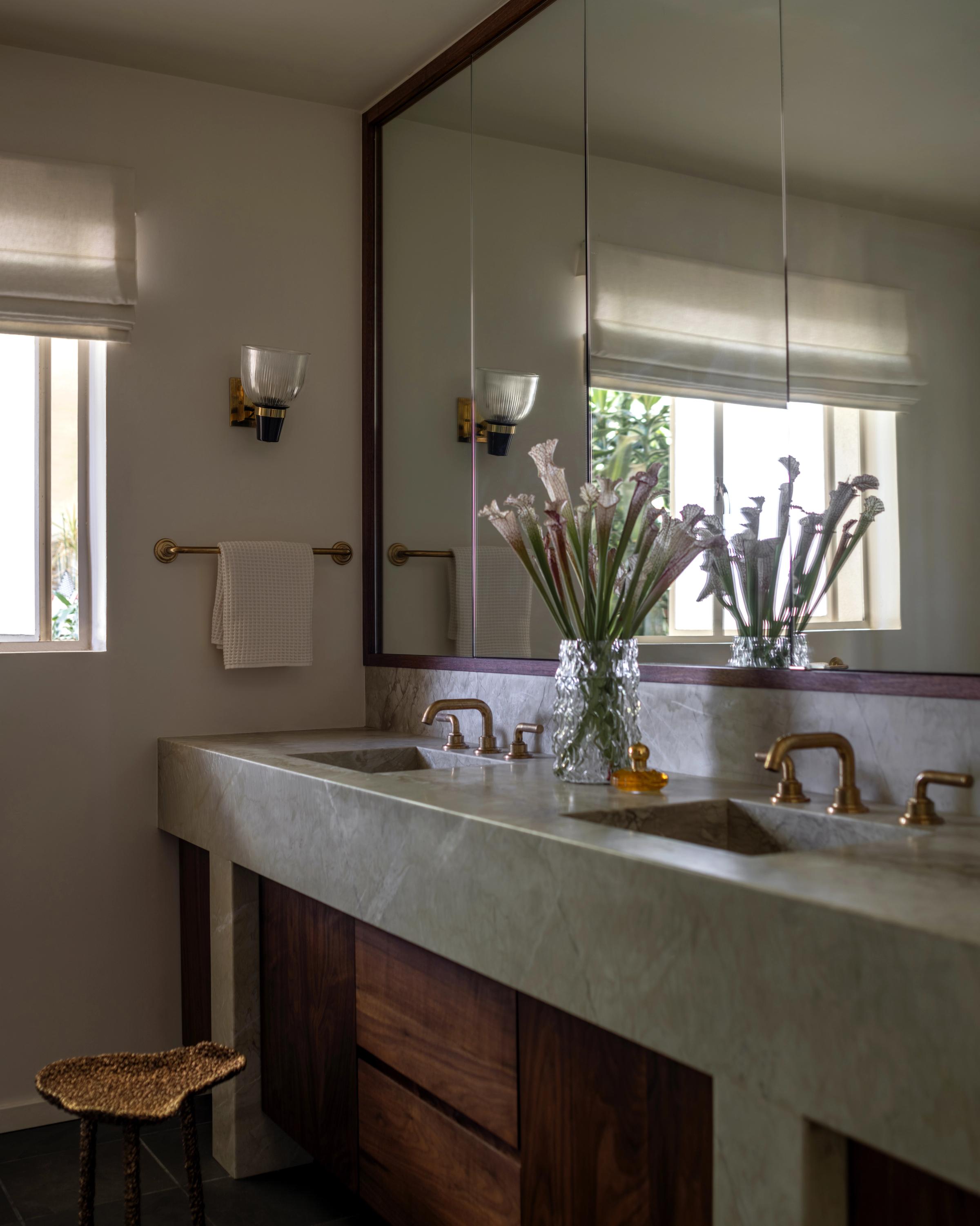
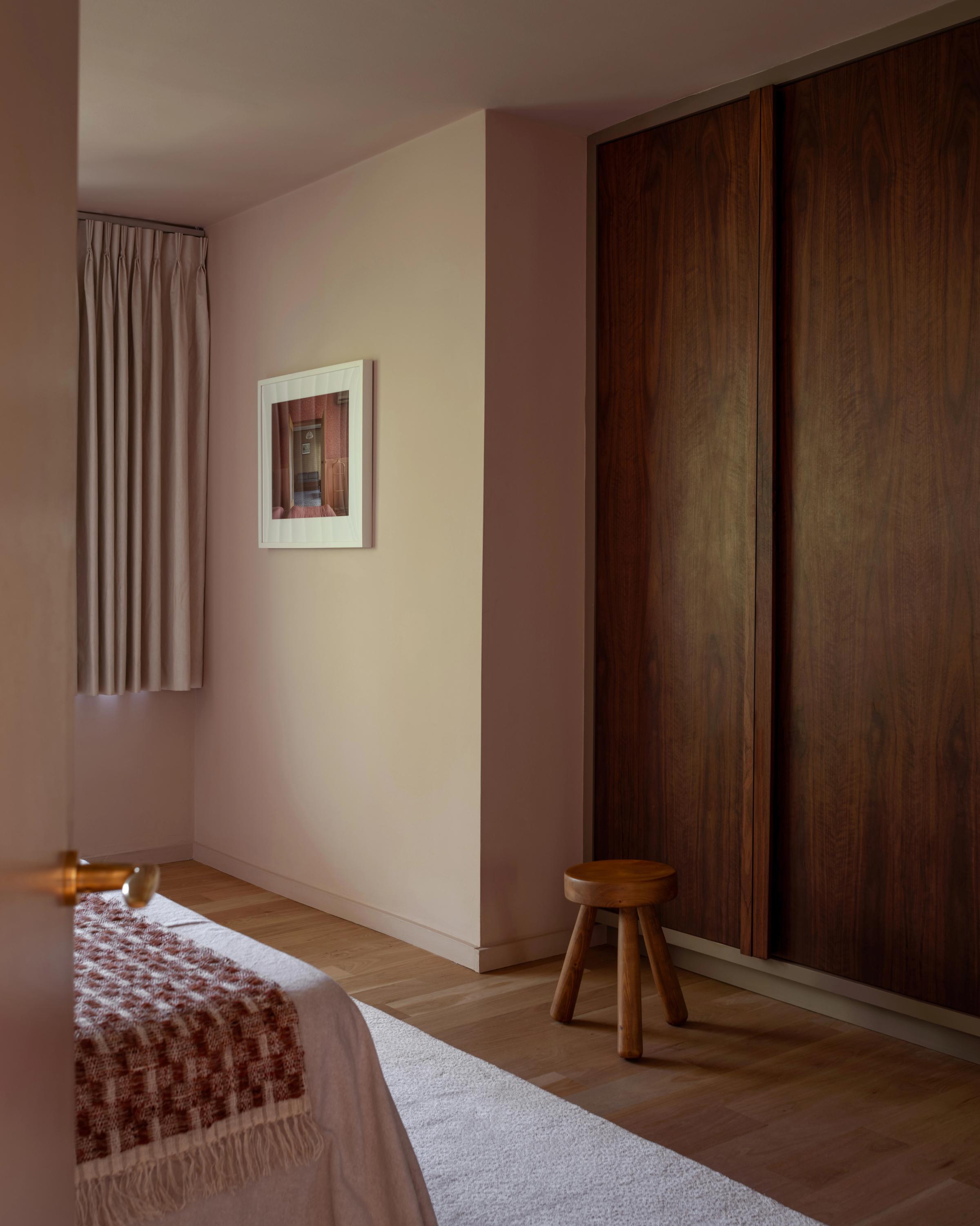
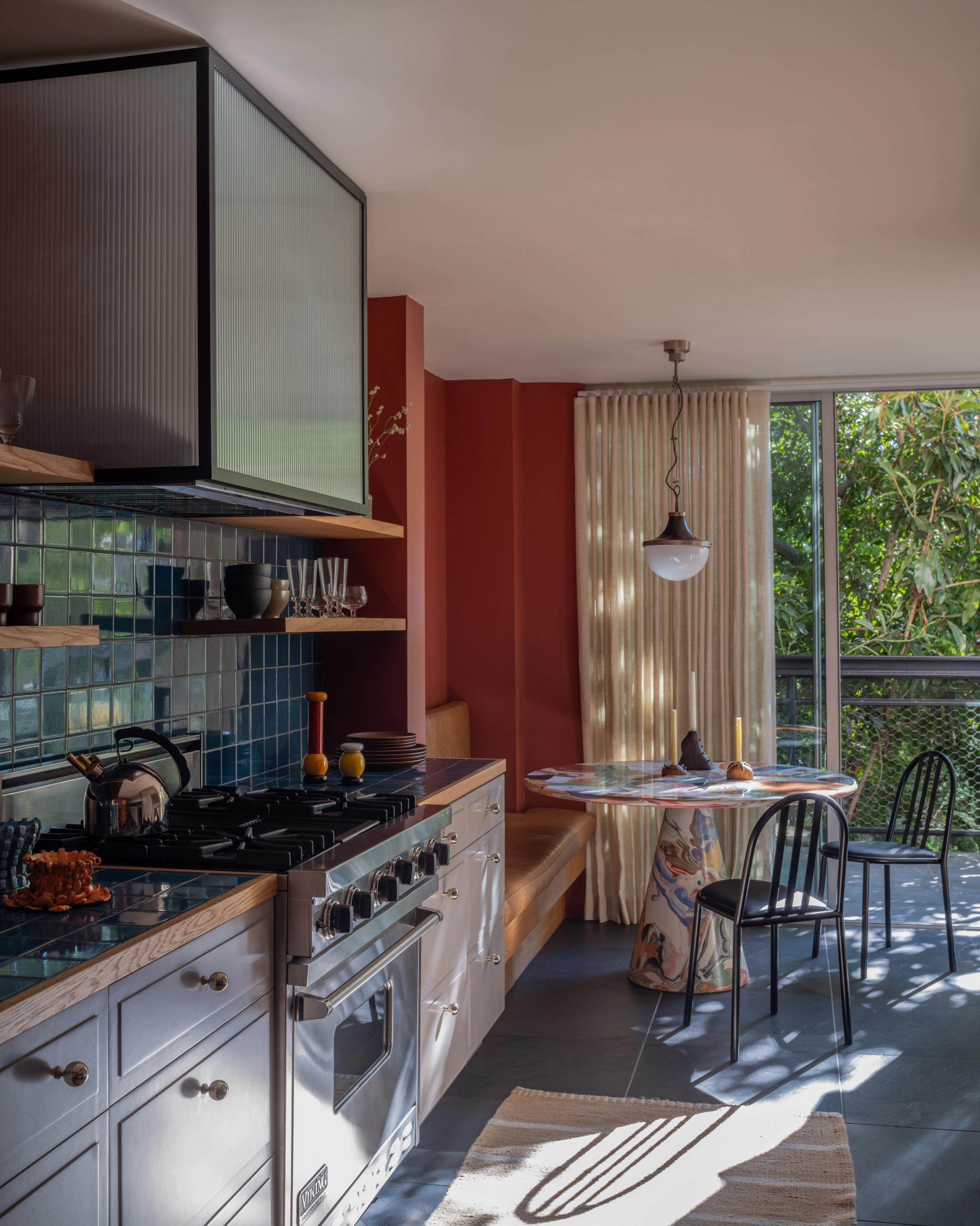
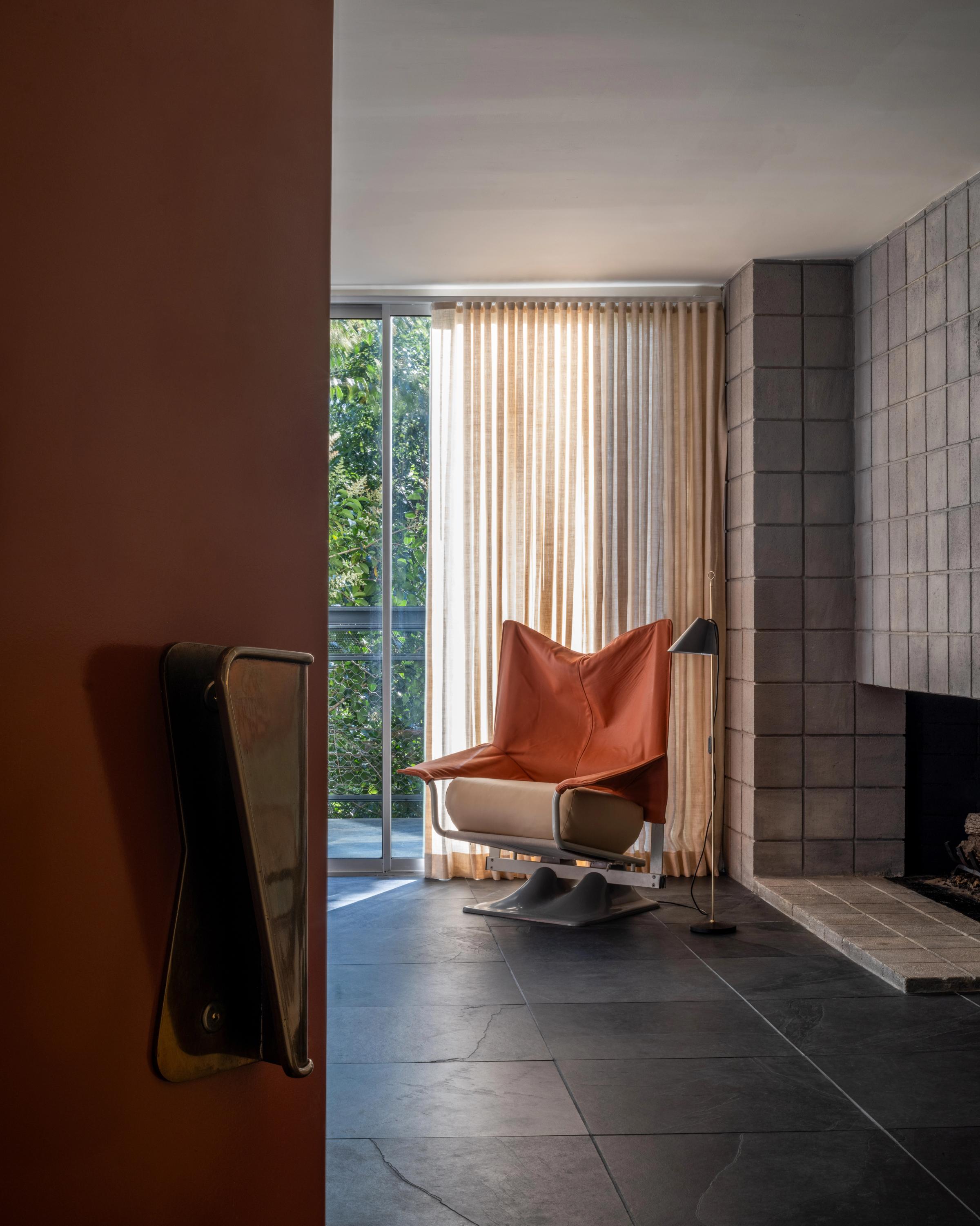
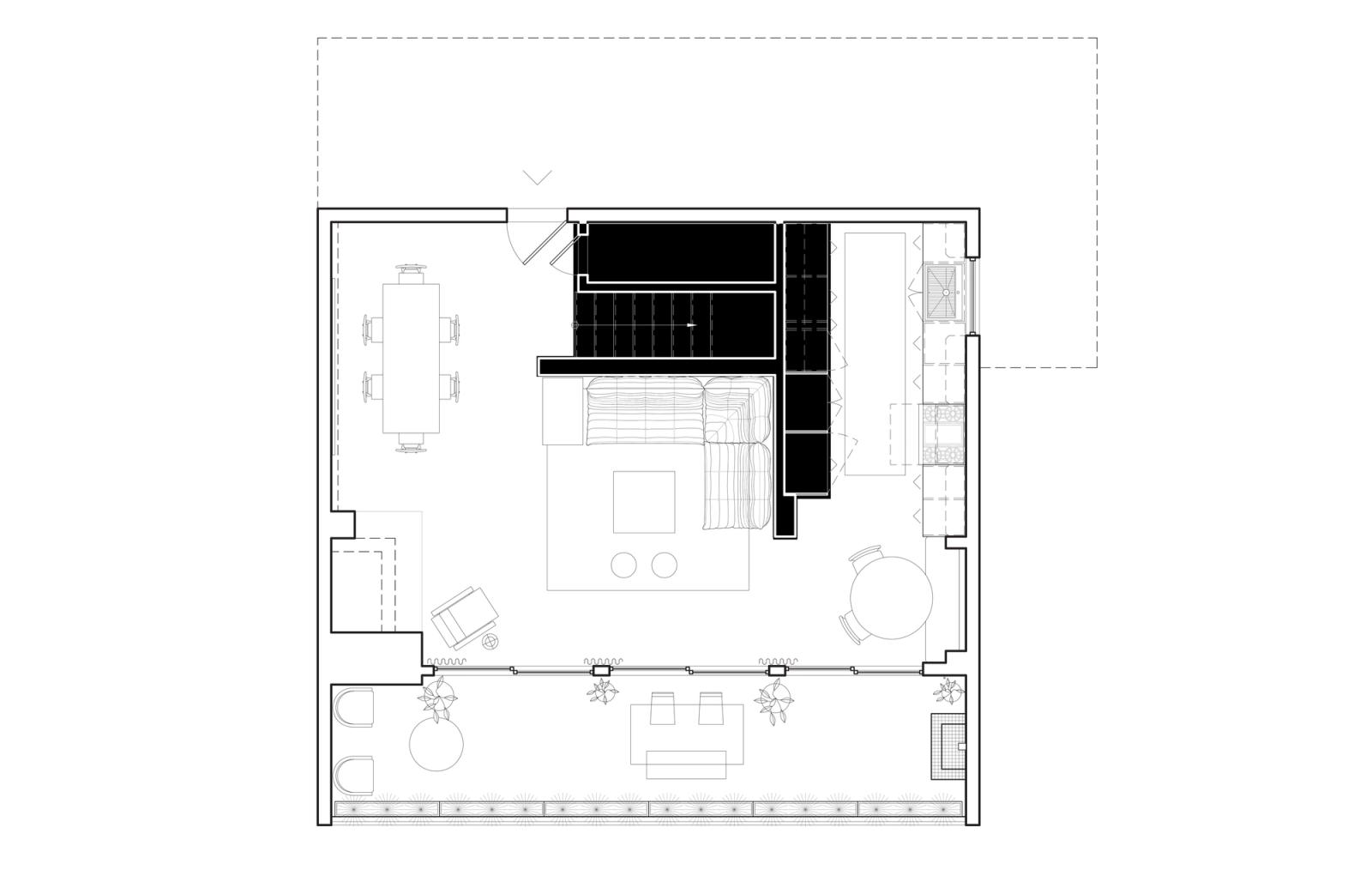
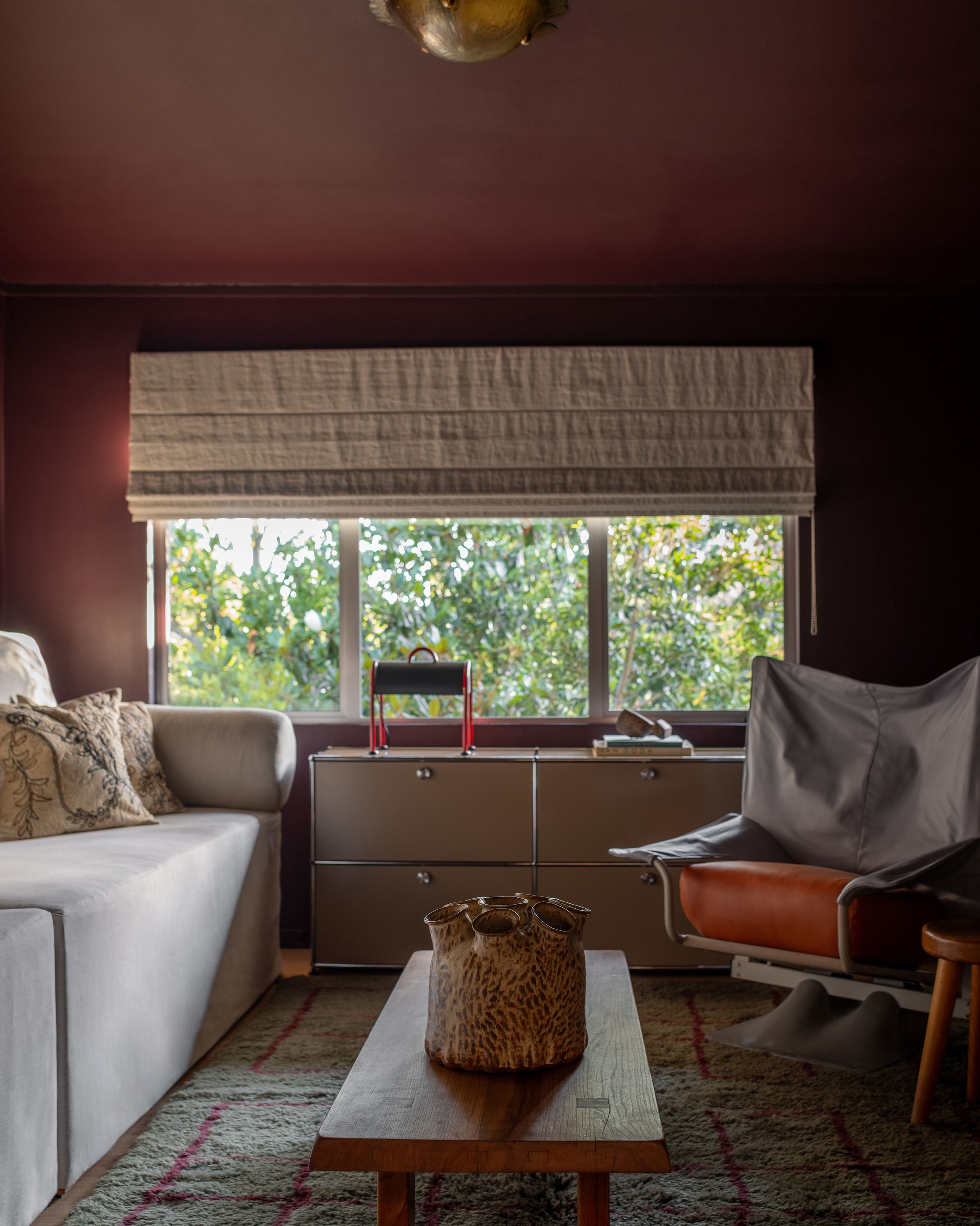
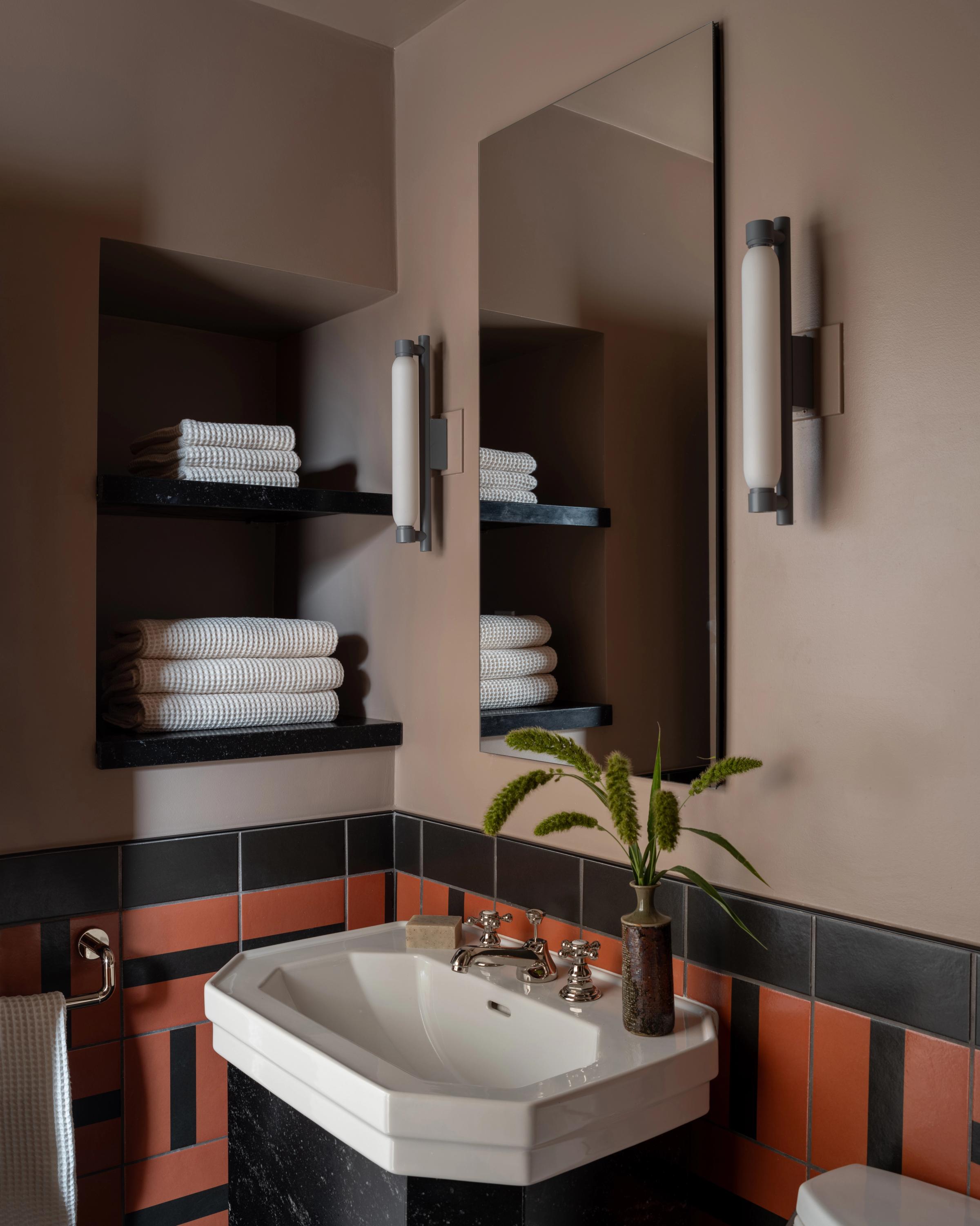
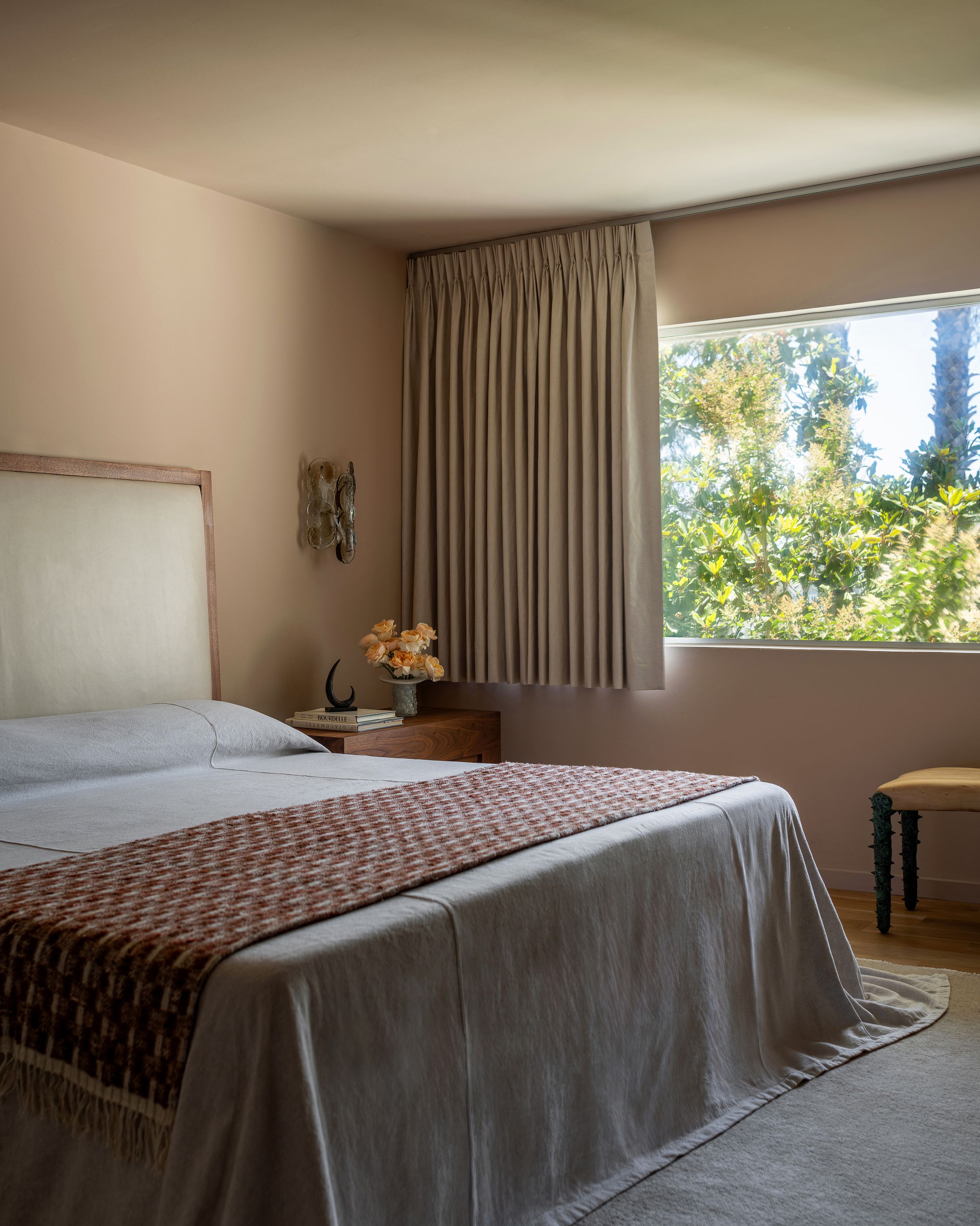
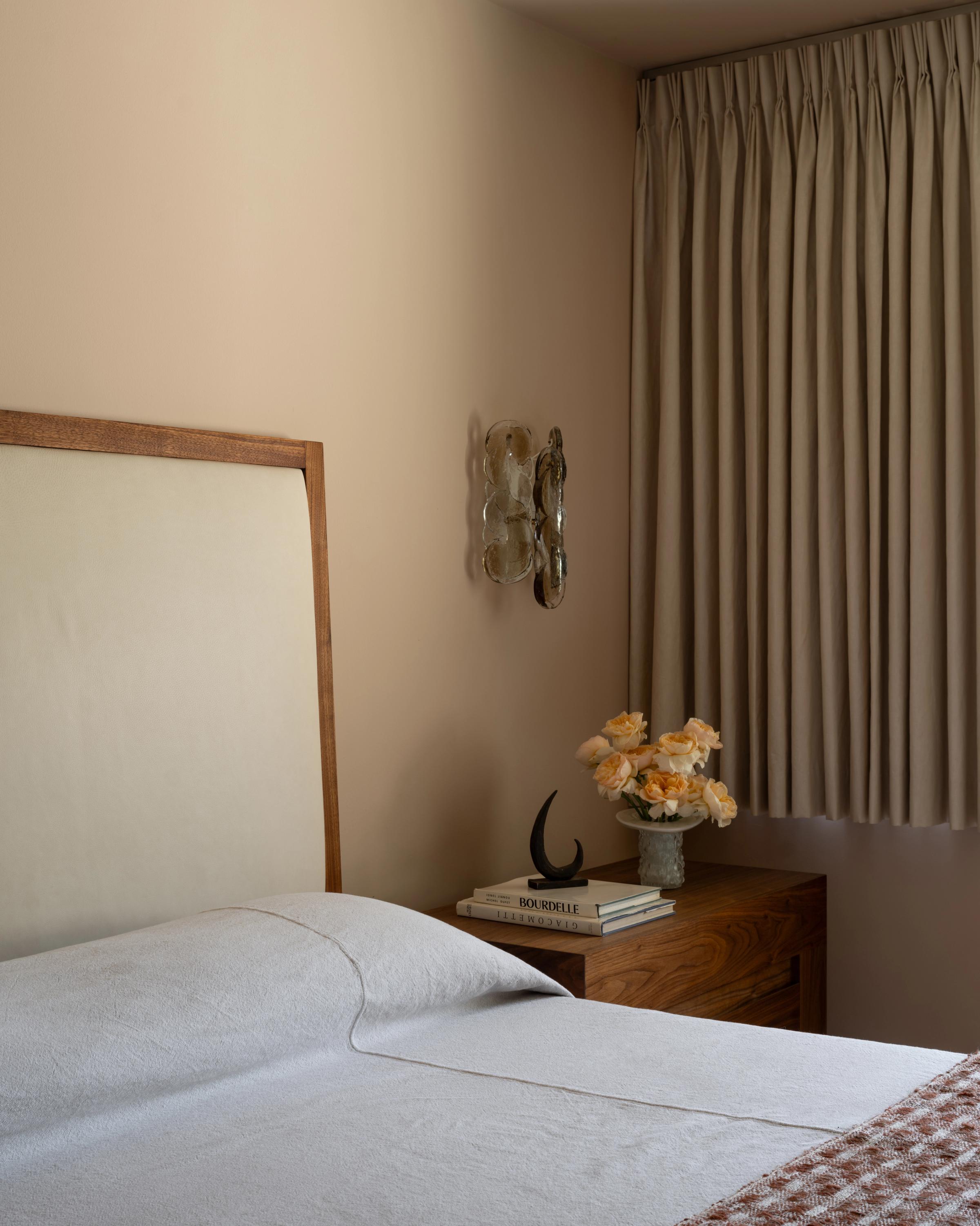
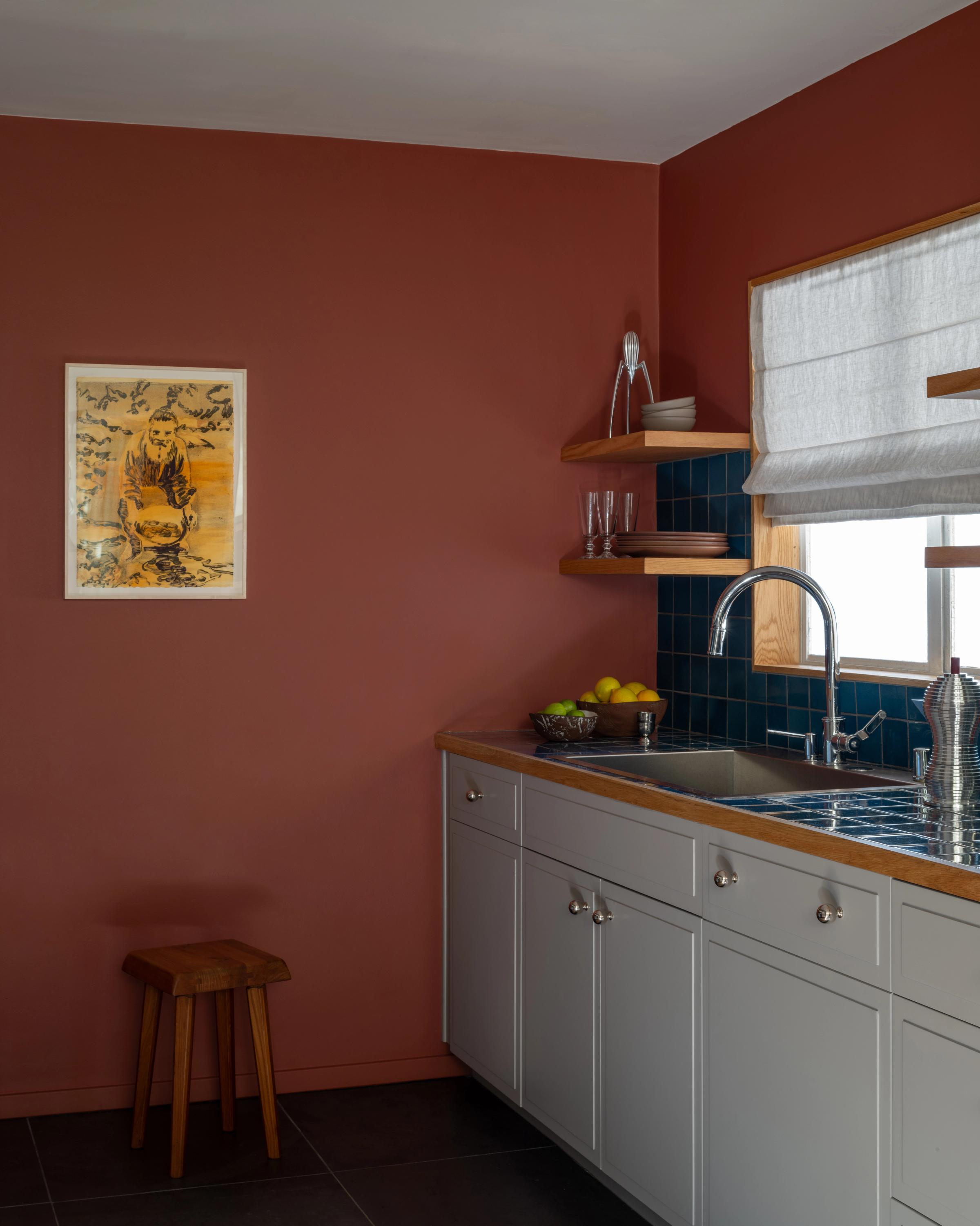
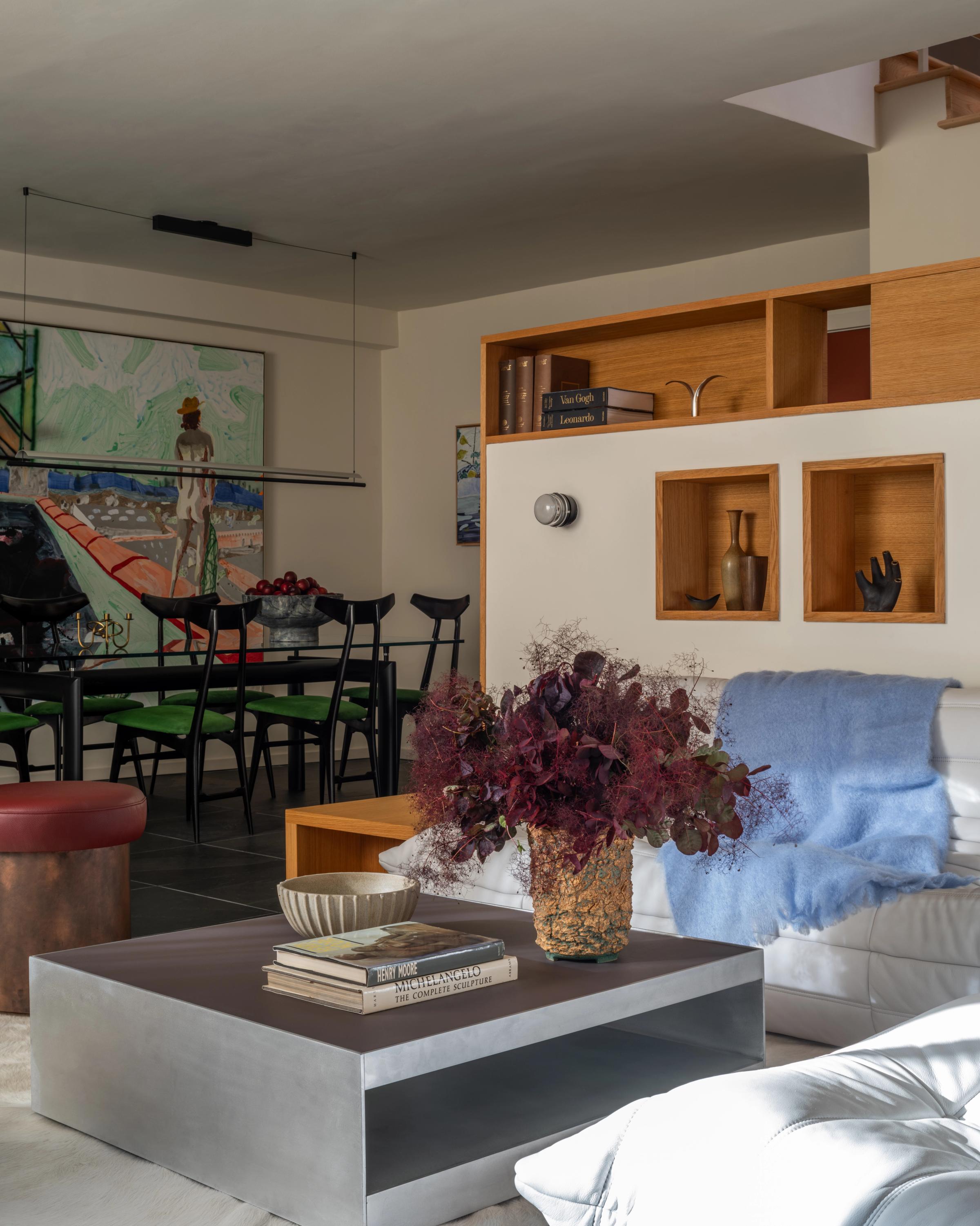
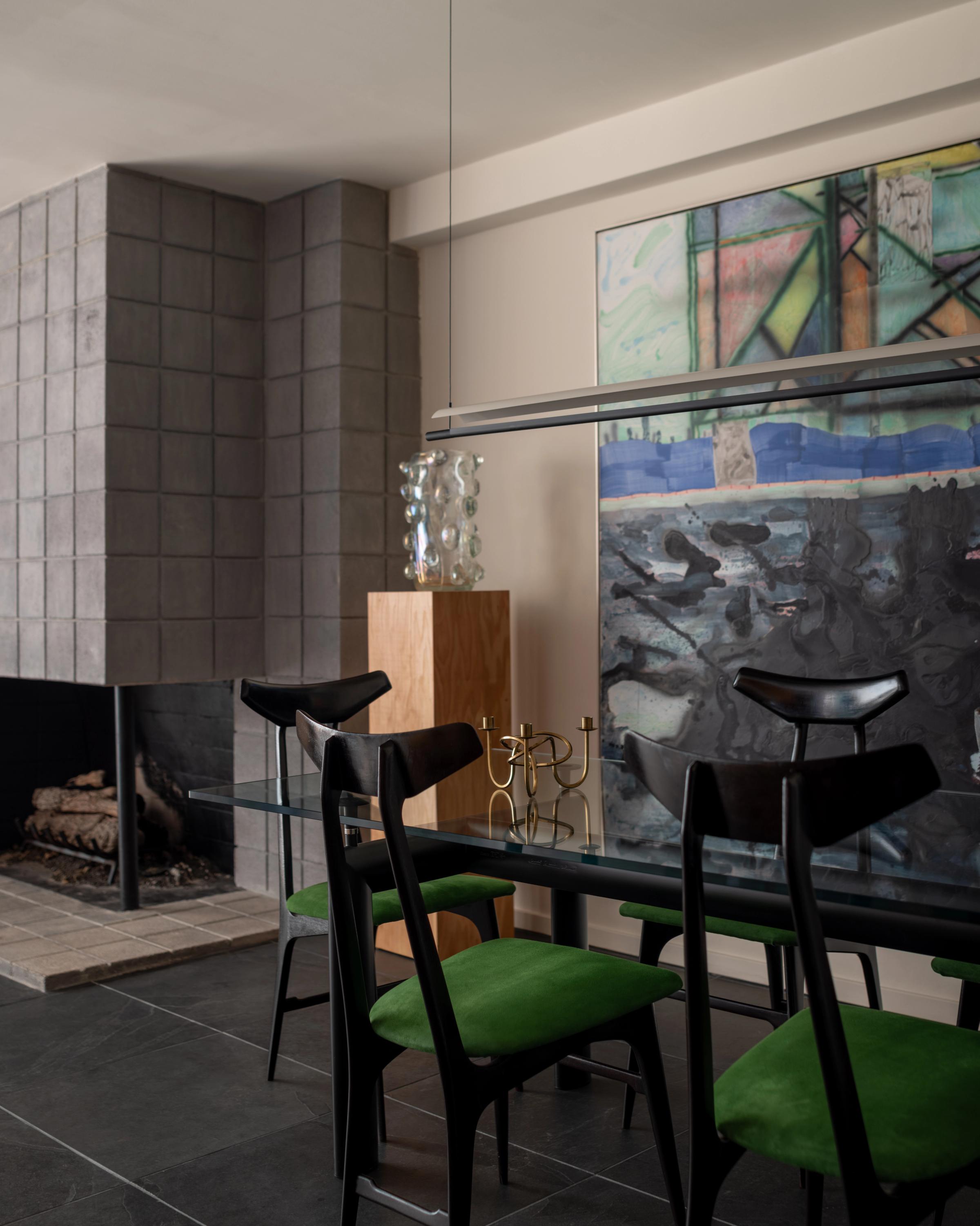
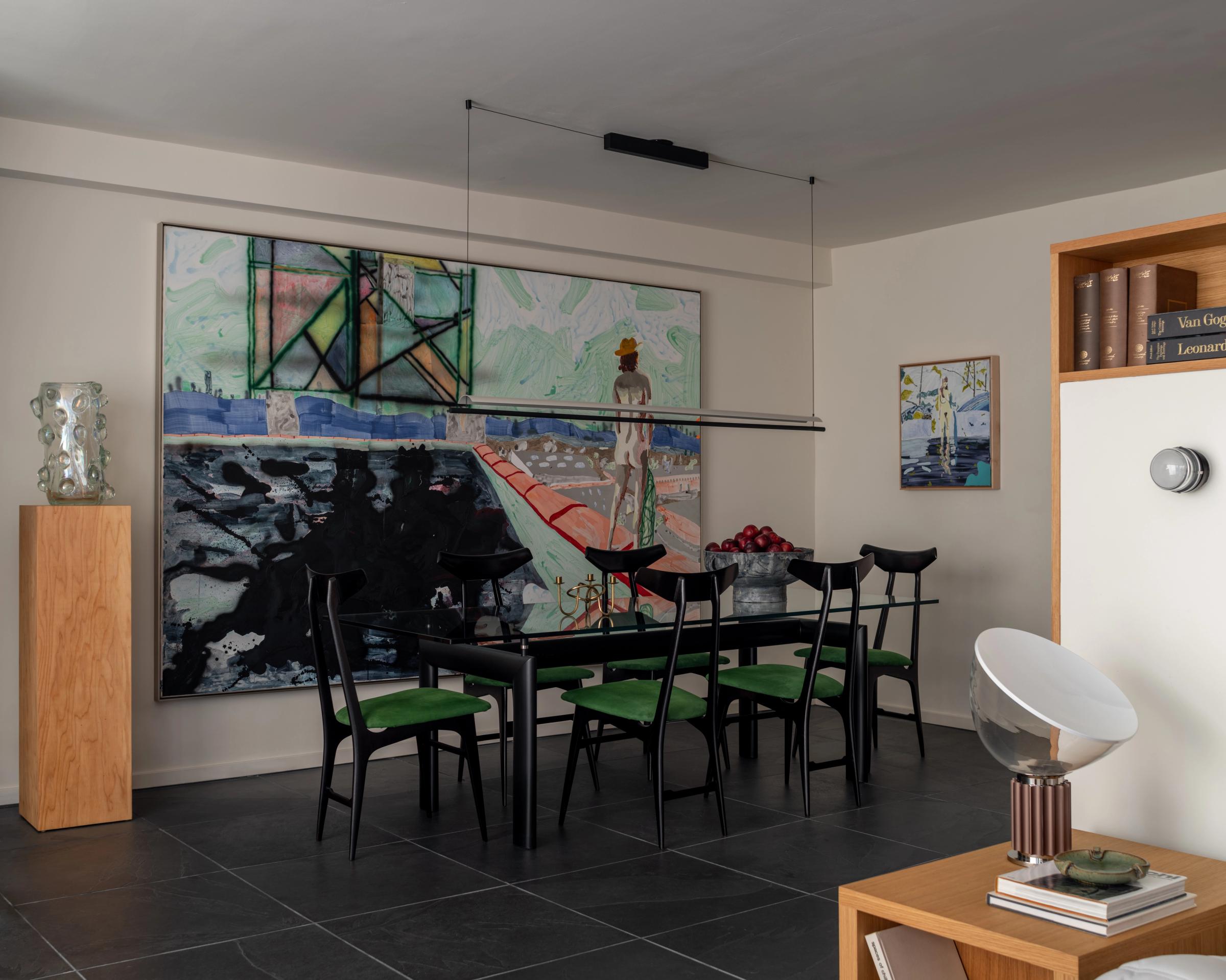
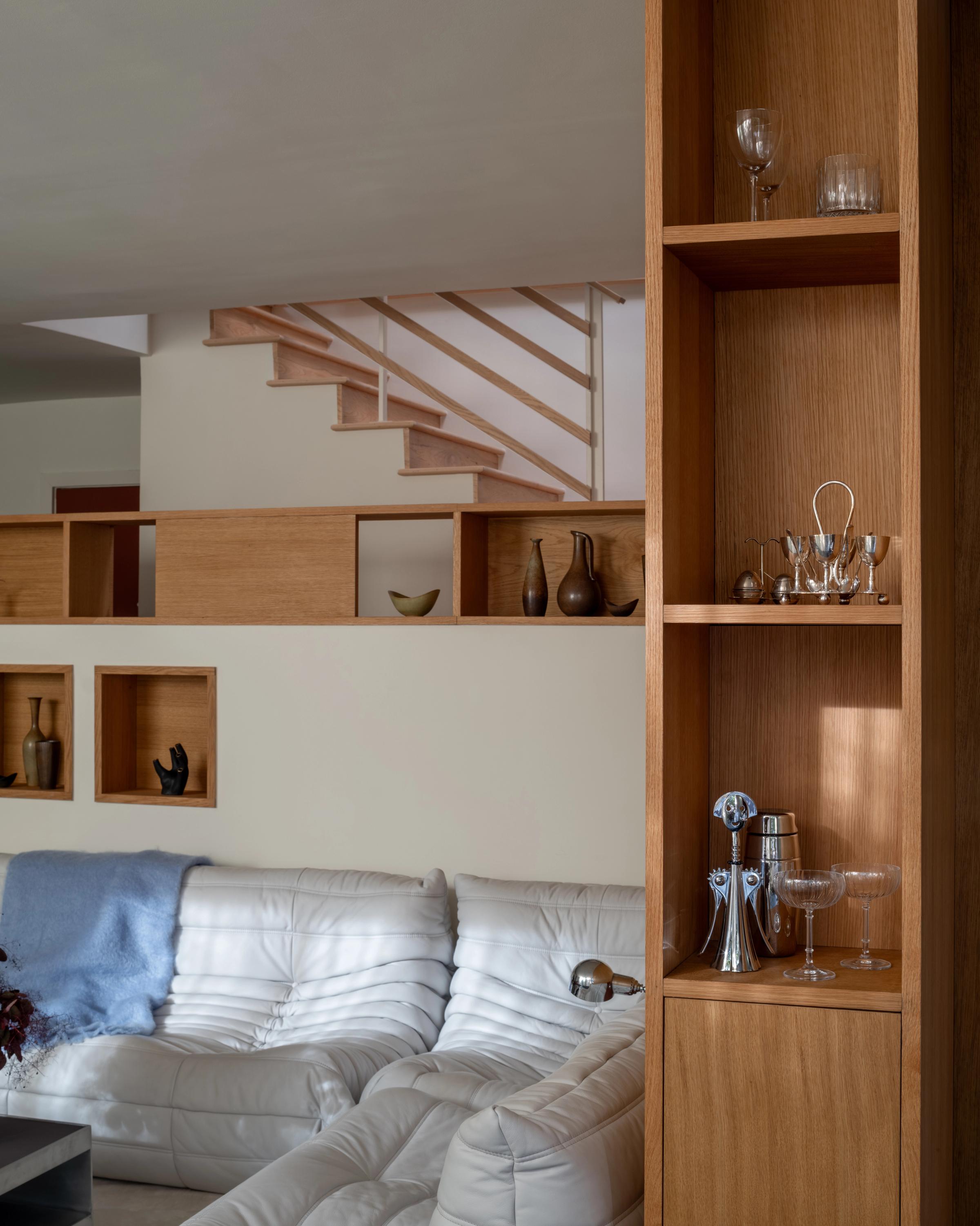
Originally designed by architect Joseph Muller in 1959, this Brentwood residence is part of a remarkable mid-century community conceived as a model for modern communal living. Better known for his Palm Springs resort architecture, Muller envisioned a development where architecture, landscape, and shared amenities fostered a healthier way of life. Its interconnected gardens, lap pool, and generous open spaces reflected California's postwar optimism—a belief that life could unfold seamlessly between indoors and out. Today, the neighborhood remains remarkably intact, preserving both its architectural integrity and its enduring spirit of wellness. Long before wellness became an industry, the development embodied the ideals of sunlight, nature, and community that continue to define life in West Los Angeles. The home was occupied by the architect's family until recently passing to its new owners: two anesthesiologists whose demanding careers inspired a desire for a home that felt restorative rather than clinical. Passionate art collectors, they envisioned a living environment where architecture, art, and everyday life could coexist. That intersection became the foundation of the design. Our intervention sought to reinforce the home's modernist clarity while adapting it to contemporary living. The existing plan produced fragmented seating areas that failed to engage the lush garden beyond. By extending two primary walls, we established a central living space oriented toward the terrace and landscape. These new architectural elements were wrapped in oak millwork, integrating storage, display niches, and a concealed bar into the fabric of the house. The relationship between interior and exterior became central to the project. A terrace nearly equal in size to the great room extends daily life into the landscape, strengthening one of California modernism's defining principles: the seamless continuity between architecture and nature. A palette of oak, walnut, slate, and richly saturated colors introduces warmth and tactility throughout the home. Vintage pieces—including a Togo sofa, Archizoom AeO armchairs, restored Italian dining chairs, Robert Mallet-Stevens seating, and a restored Sergio Mazza pendant—sit alongside contemporary works, including a custom aluminum and linoleum coffee table and Dirk van der Kooij's sculptural resin breakfast table. Together, they create a layered dialogue between past and present, preserving the optimism of the original architecture while adapting it for a new generation of living.